


Modern Contemporary Interior Design: 8 Key Features Plus Tips
Modern contemporary interior design is one of the most popular styles today, seamlessly blending comfort, simplicity, and elegance with clean lines, thoughtful functionality, and a timeless sense of style.
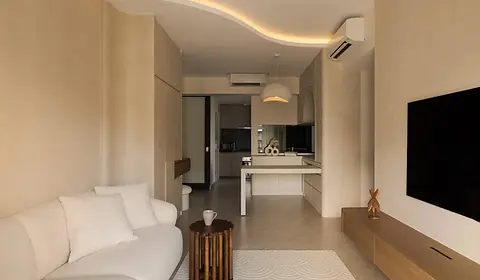
Many homeowners and designers love this style because it adapts easily to different lifestyles. Whether you live in a small apartment or a large home, modern contemporary design makes your space feel more open and peaceful. In this guide, we’ll explore its key features, important elements, and simple tips to help you achieve the perfect modern contemporary look.


What Is Modern Contemporary Interior Design?
Modern contemporary interior design blends the best of both worlds: the simplicity of modern design and the fluidity of contemporary aesthetics. While modern design focuses on function and structure, contemporary design evolves with current trends. Together, they create a clean and stylish space that feels current yet timeless.
This style is defined by its neutral colours, natural materials, and thoughtful use of space. It promotes calmness and order without being boring or sterile. You can add your personal touch through textures, statement pieces, and natural elements that make your home uniquely yours.
Key Features of Modern Contemporary Design
Modern contemporary interiors have several key features that set them apart. Here are some of the most common ones:
Neutral Colour Palettes: Shades of white, grey, beige, and earth tones dominate this design style. These colours make rooms feel calm and balanced, allowing textures and furniture to stand out naturally.
Clean Lines and Minimalism: Straight edges and clutter-free layouts are essential. Furniture and décor have smooth shapes and subtle detailing that keep the focus on simplicity and comfort.
Natural Light and Open Spaces: Large windows, open layouts, and minimal partitions help create an airy environment. Natural light enhances every element, making the space feel larger and warmer.
Mix of Materials: Combining wood, glass, metal, and stone adds texture and interest. The contrast of soft and hard materials brings depth to the design.
Functional Furniture: Every piece has a purpose. From sleek sofas to space-saving shelves, furniture choices prioritise comfort and practicality without sacrificing beauty.
8 Modern Contemporary Design Elements to Focus On
Modern contemporary design is an ever-evolving style that balances simplicity with sophistication. It’s defined by clean lines, neutral palettes, and a sense of uncluttered openness. But creating a space that feels both inviting and refined requires a focus on specific, deliberate elements. Here are eight key areas to concentrate on to master the modern contemporary aesthetic.
1. Colour and Texture
Colours and textures are the foundation of a room's atmosphere. In modern contemporary design, the palette often serves as a quiet, sophisticated canvas.
The Power of Neutrals: Soft neutrals,think shades of white, beige, grey, and taupe,create a sense of calm and spaciousness. They act as a backdrop that allows architectural details and statement furniture to shine.
Creating Depth with Contrast: To prevent a neutral space from feeling flat, introduce subtle contrasts. A deep charcoal feature wall, a navy blue kitchen island, or black metal accents can add character and visual interest without overwhelming the senses.
Tactile Warmth: Texture is crucial for adding warmth and depth. Juxtapose smooth surfaces with rich, tactile materials. Think of the soft roughness of a linen sofa, the organic grain of natural wood flooring, the subtle sheen of a silk rug, or the artisanal feel of a limewash-painted wall. Matte finishes on fixtures and surfaces are also a hallmark of this style, offering an understated elegance.
2. Strategic Lighting

Lighting is one of the most transformative elements in interior design, capable of shaping mood and highlighting form.
Layered Lighting is Key: A well-lit room uses a combination of lighting layers. Ambient lighting (like recessed ceiling lights or pendants) provides overall illumination. Task lighting (such as under-cabinet lights in the kitchen or a reading lamp by a chair) focuses on specific activities. Accent lighting (like spotlights on artwork) draws attention to architectural features and décor.
Sculptural Fixtures: Treat lighting as art. A sculptural pendant light over a dining table or an architecturally interesting floor lamp can serve as a focal point, combining function with aesthetic beauty.
Temperature and Tone: The colour temperature of your lighting matters. Use soft, warm light (around 2700K) in living areas and bedrooms to create a cozy, inviting feel. In workspaces and kitchens, brighter, cooler tones (3000K-4000K) promote focus and clarity.
3. Deliberate Furniture Choices
Furniture in modern contemporary design is a masterclass in combining function and form. Every piece should be both beautiful and purposeful.
Clean Lines and Simple Shapes: Look for furniture with simple, geometric shapes and clean, unadorned edges. The beauty lies in the form itself, not in excessive ornamentation. Avoid overstuffed, bulky, or overly ornate pieces.
The Importance of Scale: Ensure furniture is scaled appropriately to the room. In open-plan spaces, larger, unifying pieces like an L-shaped sofa can anchor the layout. In smaller rooms, opt for furniture with exposed legs to create a sense of spaciousness.
Functionality First: Smart, functional design is paramount. Modular furniture that can be reconfigured, coffee tables with hidden storage, and minimalist built-in cabinetry work beautifully to keep spaces tidy, efficient, and visually calm.
4. Curated Décor and Accessories
The mantra "less is more" is central to modern contemporary accessorizing. It’s about intentionality, not emptiness.
Statement Pieces: Instead of cluttering surfaces with many small items, choose a few high-impact statement pieces. A single, large-scale abstract artwork, a beautifully crafted sculptural lamp, or an elegant, oversized vase can define the character of a space.
Quality Over Quantity: Invest in accessories that are well-made and have personal meaning. The focus is on curating a collection of objects you love, rather than just filling space.
Negative Space: Embrace empty space. Allowing for "visual breathing room" around your décor makes each piece feel more significant and contributes to the overall sense of calm and order.
5. Open and Flowing Space Layout

The layout of a modern contemporary home should promote a sense of openness, light, and effortless flow.
Connection and Movement: The design should encourage easy movement between areas. Avoid unnecessary walls or bulky furniture that blocks light and disrupts sightlines. In HDBs and condos, this might mean creating an open-concept kitchen and living area.
Zoning Open Spaces: In an open-plan layout, use subtle cues to define different functional zones. A large area rug can anchor a living room seating area, while a pendant light can define the dining space.
Biophilic Design: Strengthen the connection to nature by incorporating biophilic elements. This goes beyond just adding a few plants. Think large windows with views of greenery, the use of natural materials like wood and stone, and layouts that maximize natural light.
6. Strong Architectural Details
Often overlooked, the architectural elements of a space are fundamental to the modern contemporary style.
Emphasis on Clean Lines: This style celebrates strong, clean lines in its architecture. This can be seen in features like unadorned window frames, minimalist baseboards (or a complete lack thereof), and sharp, geometric wall niches or ceiling details. The structure of the room itself becomes a design element.
Large, Uncluttered Windows: Maximizing natural light is a priority. Large, bare windows are a common feature, often left without heavy drapery to maintain a strong connection to the outdoors and keep the interior bright and airy.
Built-in Elements: Seamlessly integrated storage and features, such as handle-less, floor-to-ceiling cabinetry or a recessed media wall, contribute to the clean and uncluttered aesthetic by hiding clutter and maintaining a sleek profile.
7. A Refined Material Palette
Beyond just texture, the deliberate choice of materials and how they interact is key to achieving a sophisticated contemporary look.
Natural Materials: A foundation of natural materials like light-toned woods (oak, maple), stone (marble, travertine), and concrete adds an organic, timeless quality to a space. These materials provide a sense of authenticity and grounding.
Juxtaposition with Sleek Finishes: Contrast these natural elements with sleek, modern materials like polished metal (stainless steel, black steel), glass, and high-gloss lacquer. A chrome-legged table on a rustic wood floor, for example, creates a beautiful dynamic tension.
Honesty of Materials: This design philosophy often celebrates materials for what they are. An exposed concrete ceiling or a raw steel beam is not hidden but rather showcased as an integral part of the design's character.
8. Seamless Technology Integration
A truly modern home integrates technology in a way that is functional, intuitive, and almost invisible.
Smart Home Features: Smart lighting systems that can be adjusted for mood and time of day, automated blinds, and integrated sound systems are becoming standard. The goal is for technology to enhance the living experience without visually cluttering the space.
Hidden in Plain Sight: Technology should be seamlessly woven into the design. Think in-ceiling speakers, televisions that appear as mirrors when turned off, or charging stations cleverly concealed within custom cabinetry.
Minimalist Controls: Replace banks of traditional light switches with single, minimalist smart panels or voice-activated controls to maintain clean wall surfaces and a streamlined aesthetic.
Tips To Achieve A Modern Contemporary Look

Designing your space doesn’t need to be complicated. These simple tips can help you get started:
Embrace Open Spaces: Keep your rooms uncluttered and airy. Open-plan layouts work best for this style.
Use Quality Materials: Invest in durable materials that age well. Wood, marble, and stainless steel offer long-lasting beauty.
Incorporate Art and Greenery: Art gives your space personality, while plants bring life and balance. A mix of both adds warmth without clutter.
Play With Light And Shadow: Use lighting to highlight textures and architectural features. Try dimmers or wall lights to adjust the mood easily.
Stay Consistent: Maintain a unified colour scheme and material palette throughout your home for a cohesive flow.
Common Mistakes To Avoid
Even the best designs can fall short if a few key mistakes are made. Here’s what to watch out for:
Overdecorating or using too many accessories.
Ignoring how lighting matters in mood and depth.
Forgetting functionality in favour of style.
Mixing styles that clash visually.
Ignoring the do's and don'ts of mixing patterns in interior design can make spaces look chaotic instead of cohesive.
Conclusion on Modern Contemporary Interior Design
Modern contemporary interior design is all about harmony, simplicity, and comfort. It focuses on the balance between materials, colours, and function. Whether you’re updating your living room, designing your kitchen, or creating a peaceful bedroom, this style allows you to express your personality cleanly and timelessly.
At Twothree, we help homeowners bring their dream spaces to life with thoughtful design and expert craftsmanship. Our team understands how to balance style, function, and comfort to create interiors that truly reflect you.
Contact us today to start designing your modern, contemporary home.

Frequently Asked Questions
What Makes Modern Contemporary Design Unique?
It combines the structure of modern design with the flexibility of contemporary style, creating spaces that are clean, functional, and timeless.
Can I Combine Modern Contemporary With Other Styles?
Yes, you can. Just keep the base neutral and add small touches from other styles. Use natural materials and statement pieces to keep the space unified.
What Colours Work Best For Modern Contemporary Interiors?
Neutral shades like beige, grey, and white work best. Add contrast with darker tones or accents inspired by the psychology of colour for personality.
How Can Lighting Enhance Modern Contemporary Spaces?
Lighting creates depth, mood, and warmth. Combine natural light, soft lamps, and accent lights to highlight textures and shapes in your interiors.
Is Modern Contemporary Design Expensive?
Not necessarily. You can achieve this look on any budget by investing in key elements like lighting, furniture, and layout. Even small updates, such as adding plants or smart storage ideas, can make a big difference.